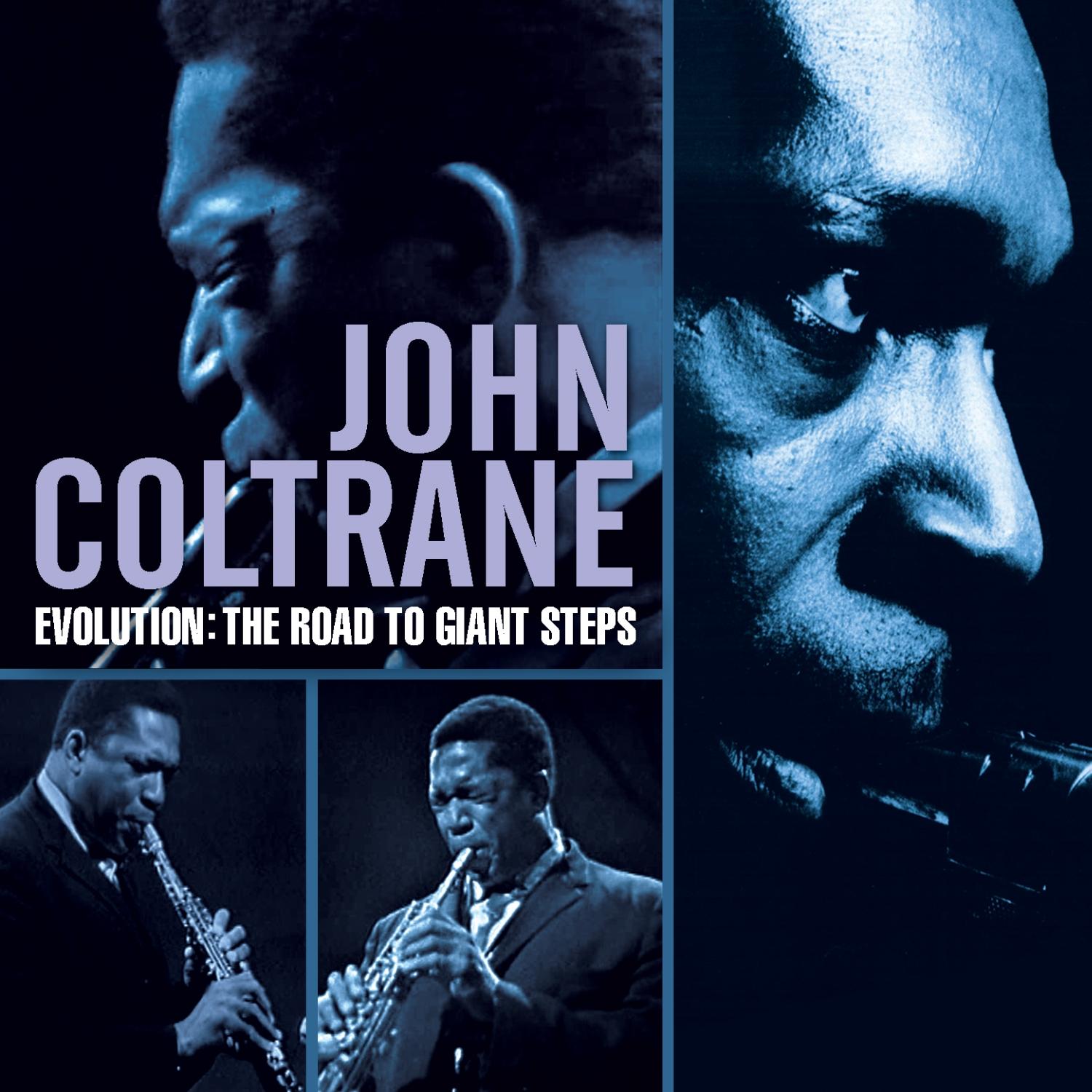
《John Coltrane-Interview (Carl Lindgren 1960)》歌曲详情
Carl:Well, it’s a pleasure and an honor to have John Coltrane in front of our microphone here.
And John, I gotta be abrupt with you.
I gotta say it like this: that your playing has been termed “un-tenderlike, unbeautiful,” un—just about everything you can think of.
And since the playing mirrors the personality, I guess you have some personal thoughts of that kind to say.
John:Well, let me follow you again.
You said my playing is un—what?
Carl:I didn’t say that.
I said what the critics said.
John:Well, they seem to think that it’s an angry sort of thing.
Some of them do.
I don’t know.
But the critics here—
Carl:Do you feel angry?
John:No, I don’t.
I was talking to a fellow the other day, and I told him that the reason I play so many sounds, maybe it sounds angry, because I’m trying so many things at one time, you see?
Like, I haven’t sorted them out.
I have a whole bag of things that I’m trying to work through and get the one essential, you know?
Carl:Would you say that you’re trying to play everything you hear at one time, or something like that?
John:No.
There are some set things that I know, some harmonic devices that I know that will take me out of the ordinary path, you see, if I use these.
But I haven’t played them long enough and I’m not familiar with them enough yet to take the one single line through them.
So I play all of them, you know, trying to acclimate my ear so I can hear.
Carl:In the album liner notes of your latest LP, that was the Giant Steps LP, which we have played quite a lot on this show, you claim that you were trying to get, as I understood it, a more beautiful sound.
Help me with that.
John:Well, I hope to play not necessarily a more beautiful sound, though I would like to, you know, just say tone-wise.
I would like to be able to produce a more beautiful sound.
But now I’m primarily interested in trying to work what I have, what I know, down into a more lyrical line, you know?
That’s what I mean by beautiful, more lyrical, so to be, you know, easily understood.
Carl:I’m sure all the listeners are, as they are mainly collectors of Coltrane records, I’m sure they’d like to hear you express one thought of what you think is listenable among your whole production.
John:You mean of the albums that I made?
Carl:Yes.
John:I like Blue Train myself.
Carl:I figured you would.
John:It’s a good band on there, you know.
Carl:That’s a really dangerous album.
John:And it was a good recording.
Carl:How do you feel about this last quartet recording here, Giant Steps?
John:I think that was my best quartet recording so far, with the exception of maybe Soultrane.
I’d put them both about the same.
Carl:How would you say working with Miles Davis has influenced you stylistically?
John:Well, it has led me into most of the things that I’m doing now.
Carl:Yeah. Has he had a major stranglehold on you in that matter?
I mean, he made you play the way you do, or you got a chance to play like you do?
John:Well, I’ve been free.
I’ve been so free here, you know, that almost anything I want to try, I’m welcome to do it, you know.
So the freedom has helped me.
Carl:I heard you were experimenting in Miles’ quintet here and then trying something on your own.
John:Yes, I am.
Carl:How’s that? With whom?
John:I have several men in mind, but I haven’t selected the sidemen yet, you know.
I’m going to try with a quartet.
Carl:Would you feel like working with a quartet?
John:Yeah, to begin with.
And then maybe in several weeks after I start, I might add a fifth man.
Carl:John, which tenor players do you think have influenced you, if any at all?
John:All of them.
I would say all of them.
Carl:Do you have a personal favorite?
I mean, like you put on a record when you’re at home and relaxing and so on?
John:Well, Sonny Rollins is, I think, the outstanding tenor man today, you know.
Carl:That’s exactly what Sonny Rollins told me on this show about you.
John:He said the same about me.
Carl:He’s [unclear].
John:Well, he’s great, I mean, you know.
And of course in the formative days, years ago, it was Dexter Gordon.
Actually it was.
Carl:But you do have a strong feeling for tradition, haven’t you?
John:I guess so.
I mean, I would like to even make it stronger, you know.
I’d like to strengthen my roots, so to say, you know.
Because I didn’t start at the beginning, and there’s a whole lot back there, you know, that all young musicians should know.
Carl:Privately, I mean, when you’re listening, you go back there, I mean, just on your own account and listen?
John:Well, I don’t have many records in that era now, but I do plan to get them.
I plan to include that in my repertoire, you know, all these old traditional things.
I’ve been trying recently to search myself, you know, and try to find things that are reminiscent, that sound like those things.
But I’m really going to do some work on that soon.
Carl:Well, John, it seems like you’re home with the Miles Davis quintet here, and thank you very much for taking the time and dropping in on the show.
John:You are welcome.
Thank you very much.Enjoy.
下载地址:
 热门推荐
| 1 | |
|---|---|
| 2 | |
| 3 | |
| 4 | |
| 5 | |
| 6 | |
| 7 | |
| 8 | |
| 9 | |
| 10 |